

This article contains affiliate links. If you purchase through one of our links, we may earn a commission at no extra cost to you. This does not influence which products we include or how they are ranked.
To remove mineral buildup from a shower head, soak it in distilled white vinegar for 30 to 60 minutes to dissolve calcium and limescale, then scrub the nozzles and rinse thoroughly. This vinegar soak works whether you leave the head attached with a bag or unscrew it for a deeper clean in a bucket.
Hard water leaves behind calcium and magnesium that crust over spray holes, reduce pressure, and send water in uneven directions. In the steps below you will learn how to choose the right cleaning method for your setup, how long to soak, how to clean silicone nozzles without scratching, and how to slow future buildup. If hard water also irritates your skin and hair, see our picks for the best shower head for dry skin for filtration options that help between cleanings.
How to Remove Mineral Buildup Step by Step
Step 1: Choose the Right Method for Your Shower Head
Use the plastic bag method if your shower head is fixed, rainfall style, or difficult to unscrew. You will fill a sturdy bag or sandwich bag with vinegar, lift it over the head so all nozzles are submerged, and secure it with a rubber band or zip tie.
Remove the head if you see heavy white crust, brown discoloration, or many blocked nozzles that a surface soak cannot reach. You will need an adjustable wrench, a soft cloth to protect the finish, and plumber’s tape for reassembly, and this approach lets you soak the entire head and filter screen.
Step 2: Soak in Distilled White Vinegar to Dissolve Deposits
For the bag method, fill the bag with enough undiluted distilled white vinegar to fully cover the faceplate and nozzles, then secure it and let it soak for 30 minutes for light buildup or up to 60 minutes for thick scale. For a removed head, place it in a bucket or bowl and pour in vinegar until it is completely submerged.
Avoid using apple cider vinegar or red wine vinegar, which can leave color and residue, and skip adding baking soda at this stage because it neutralizes the acid you need. If your bathroom has limited ventilation, open a window or run the fan while the vinegar works, and keep the soak under two hours to protect rubber washers and finishes.
Step 3: Scrub Nozzles, Clear Holes, and Rinse Thoroughly
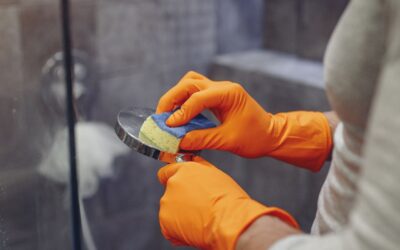
After soaking, remove the bag or lift the head from the bucket and scrub the faceplate with an old toothbrush, focusing on the edges of each nozzle where scale hides. For stubborn holes, gently flex silicone nozzles with your fingertip or use a wooden toothpick to dislodge softened particles, never a needle or metal pin that can enlarge the opening.
Rinse the head under warm running water and turn the shower on for 30 seconds to flush loosened deposits from inside the channels. If you removed the head, also rinse the filter screen and washer, and check the shower arm for debris before reattaching. You can find strong pressure options that resist clogging in our guide to the best low flow shower heads for strong pressure.
Step 4: Reattach, Seal, and Flush the System
Wrap plumber’s tape clockwise around the threads of the shower arm two to three times if you removed the head, then hand tighten the head and give it a quarter turn with a cloth covered wrench. Avoid over tightening, which can crack the fitting or strip threads, especially on plastic connectors.
Turn on warm water and let it run for a full minute to purge remaining vinegar and mineral flakes. Check for leaks at the connection and for even spray from all nozzles, and if one or two holes still sputter, repeat a 15 minute spot soak with a vinegar dampened cloth tied directly over the faceplate.
Step 5: Keep Buildup From Coming Back
Wipe your shower head dry after the last shower of the day when you can, and spray the nozzles weekly with a 50/50 mix of vinegar and water, then rinse. This quick maintenance prevents calcium from hardening into thick scale that requires long soaks.
In very hard water areas, consider a dedicated shower filter or whole home softener to reduce the minerals that cause scale in the first place. For large coverage heads that show buildup quickly, our roundup of the best rain shower heads for Full-Body coverage includes models with easy clean silicone nozzles.
A Filter That Helps Slow Future Mineral Buildup
Quick Picks at a Glance

Prime Aquabliss SF100 Chrome Shower Filter
As an Amazon Associate we earn from qualifying purchases. Product prices and availability are accurate as of the date/time indicated.
Pros
- Effective multi-stage filtration reduces chlorine, pesticides, pharmaceuticals, dirt and odors
- Noticeable improvements in skin softness, hair manageability and nail strength
- Universal compatibility with no tools required for installation
- Long filter life lowers maintenance frequency compared to standard filters
- Infuses minerals to revitalize instead of just stripping chemicals
Cons
- Plastic housing can crack if over-tightened or installed with tools
- May slightly reduce water pressure on low-pressure plumbing systems
- Not a full water softener, will not completely eliminate very hard water scale
The Aquabliss SF100 is a high-output revitalizing shower filter built to tackle chlorinated and chemical-heavy municipal water. It is ideal for anyone dealing with dry, itchy skin, dandruff, eczema flare-ups, or brittle hair and nails caused by harsh shower water.
In real-world use, its multi-stage system stands out by not just filtering but revitalizing. Sediment filters, redox media, calcium sulfite, activated carbon and ceramic beads work together to reduce chlorine, pesticides, odors and dirt while balancing pH and infusing beneficial minerals for softer skin and shinier hair.
Design is simple and practical with a clean chrome finish that blends with most bathrooms. The universal 1/2 inch connection fits fixed, rain, combo and handheld showers, and installation takes under two minutes with a hand-tighten only design that requires no tools or plumber.
There are a few limitations to consider. The plastic housing must be hand-tightened only, as using tools can cause cracking. Like most inline filters, it may slightly lower water pressure and it will not replace a dedicated whole-house water softener for very hard water.
Overall, the SF100 delivers a clean, revitalized shower experience with minimal maintenance thanks to its 6-month Easy Swap cartridge. If you want a low-maintenance upgrade that actually improves how your skin and hair feel, this is one of the most compelling shower filters available.
If you constantly battle white crust and dry skin from hard water, the Aquabliss High Output Revitalizing Shower Filter can help between deep cleans. Its multi stage system helps reduce chlorine and scale forming minerals, balances pH, and keeps nozzles clearer longer while supporting softer feeling skin and hair.
When This Won’t Fix It
Vinegar will not fix low pressure caused by a failing pressure regulator, corroded galvanized pipes, or a cracked internal cartridge that restricts flow even when nozzles are clear. If cleaning does not restore pressure, the head leaks from inside, or you see rust flakes and persistent sputtering, replace the head or ask a plumber to check your supply lines.
Frequently Asked Questions
How long should I soak my shower head in vinegar?
For light film, 30 minutes in undiluted distilled white vinegar is usually enough in 2026 to dissolve calcium and restore spray. For thick, crusty scale, soak for 60 minutes and no longer than 90 minutes to protect rubber parts, then scrub and rinse. If buildup remains, repeat a short soak rather than leaving it overnight.
Can I use apple cider vinegar, baking soda, or CLR to remove mineral buildup?
Distilled white vinegar is the safest and most effective household option because it is clear, acidic enough to dissolve calcium, and gentle on finishes. Apple cider vinegar can stain, baking soda neutralizes vinegar and reduces its power, and harsh descalers can damage nickel, chrome, or matte black coatings if you leave them too long. Always rinse thoroughly and spot check the finish first.
Why does my shower head keep clogging even after cleaning?
Frequent clogging usually means you have very hard water with high calcium and magnesium that deposits new scale within weeks. Cleaning more often helps, but adding a shower filter, wiping nozzles dry, and choosing a head with rub clean silicone tips will slow the cycle. Browse our Shower & Bath Accessories category for 2026 models designed for hard water homes.







Write Your Review
No reviews yet. Be the first to share your experience!