

This article contains affiliate links. If you purchase through one of our links, we may earn a commission at no extra cost to you. This does not influence which products we include or how they are ranked.
Deciding between the Google Nest Learning Thermostat (4th gen) and the ecobee Smart Thermostat Enhanced often comes down to nest vs ecobee which saves more energy for your household. Both promise lower heating and cooling use through automation, yet they achieve savings in distinct ways. This head-to-head evaluates their real-world efficiency strategies, from learning behavior to occupancy sensing, so you can see which aligns with your routine. For context on building a connected home, see our Smart Speakers & Hubs guide.
We reviewed how each thermostat adapts to your schedule, manages temperature when you are away and handles hot and cold spots. You will get a clear look at claimed savings, sensor options and smart home integration without the marketing noise, so you can focus on what actually reduces consumption.
Quick Picks at a Glance

ecobee Smart Thermostat Enhanced
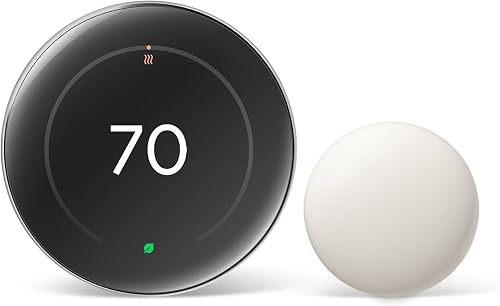
Google Nest Learning Thermostat 4th Gen
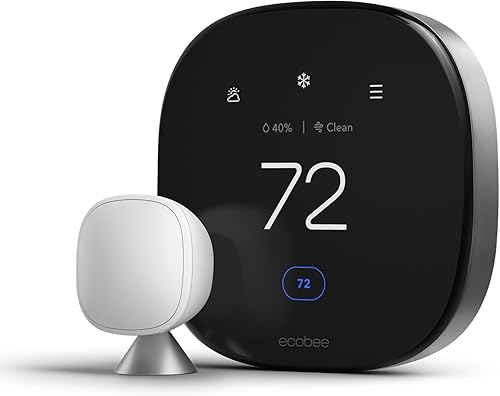
ecobee Smart Thermostat Premium with SmartSensor

ecobee Smart Thermostat Essential
As an Amazon Associate we earn from qualifying purchases. Product prices and availability are accurate as of the date/time indicated.
Pros
- Automatic energy savings with eco+ and occupancy based adjustments
- More accurate and wider angle occupancy detection with built in radar
- Broad smart home support including HomeKit, Alexa, Google Assistant and SmartThings
- Hardwired power means no batteries to replace and more reliable operation
- Energy Star certified and backed by a 3 year warranty
Cons
- SmartSensors and other accessories are sold separately
- Not compatible with high voltage, millivolt or 0-10VDC systems
- Lacks built in Alexa speaker and air quality monitor found on the Premium model
The ecobee Smart Thermostat Enhanced is a WiFi programmable thermostat built for homeowners who want hands off energy savings and seamless smart home control. It is ideal for users invested in Apple HomeKit, Alexa or Google Assistant who want comfort without constant manual adjustments.
In real world use, eco+ automation and radar occupancy sensing work together to lower heating and cooling when you are away and restore comfort before you return. It learns your schedule and humidity preferences over time, and you can fine tune everything remotely via the ecobee app or by voice.
The thermostat has a clean, modern design with a responsive touchscreen and a durable hardwired build that never needs batteries. Installation is DIY friendly with the included Power Extender Kit and trim kit, and dual band WiFi keeps the connection stable.
It does lack some premium extras like a built in Alexa speaker, air quality monitoring and an included SmartSensor. It also only works with 24VAC systems, so high voltage, millivolt and 0-10VDC setups are not compatible and some homes will need the PEK.
Overall, the Enhanced hits a sweet spot of performance, compatibility and value in the ecobee lineup. If you want proven energy savings, reliable occupancy detection and broad smart home support without paying for the top tier model, it is an excellent choice.
Compatibility: Works with most 24VAC HVAC equipment including gas, oil, electric, dual fuel, forced air, conventional 2H/2C, heat pump 3H/2C and boilers. Not compatible with line voltage, millivolt or 0-10VDC systems.
Connectivity: Dual band WiFi, works with Apple HomeKit, Amazon Alexa, Google Assistant, Samsung SmartThings, ecobee app and Apple Watch for remote control.
Power: Hardwired design with no batteries required. Includes Power Extender Kit for homes without a C or common wire.
Features: Radar occupancy sensing, eco+ energy saving automation, humidity based adjustments, support for ecobee SmartSensors, Energy Star certified.
Warranty: Backed for 3 years.
Pros
- Automatically learns preferences and creates an energy saving schedule
- Premium design with bright, customizable display visible from across the room
- Wide compatibility and easy installation with no C wire needed in most homes
- Remote app control, voice assistant support and Matter smart home integration
- Room specific temperature control with included sensor
Cons
- Higher upfront cost than basic programmable thermostats
- Best features require Google Home app and stable WiFi connection
- Some HVAC setups may still need a C wire or professional installation
The Google Nest Learning Thermostat 4th Gen with Temperature Sensor is Google's flagship smart thermostat built for homeowners who want automated comfort and lower energy use. It is ideal for busy families, smart home enthusiasts, and anyone who wants to stop manually adjusting temperatures throughout the day.
In daily use it learns the temperatures you like and when you like them, then builds a Smart Schedule that adapts as your routine changes. Features like Adaptive Eco, Natural Heating and Cooling, and Energy Shift from Nest Renew use outdoor weather and energy conditions to reduce system runtime while keeping your home comfortable.
Design is a clear step forward with a 60 percent larger display and Dynamic Farsight that shows time, temperature or weather from across the room. The silver finish uses premium materials, the screen auto adjusts brightness for readability, and you can customize the look to match your style.
There are a few considerations before buying. You will need the Google Home app and reliable WiFi to unlock its smartest features, and voice control requires a compatible assistant speaker. While most homes do not need a C wire, some systems will still require one or help from a Nest Pro.
Overall this bundle offers a refined balance of intelligence, convenience and efficiency that stands out in the smart thermostat category. If you want a thermostat that learns your habits, manages hot and cold spots, and integrates seamlessly with your smart home, it is an excellent long term upgrade.
Pros
- ENERGY STAR certified with proven energy savings up to 26 percent
- Included SmartSensor adds real room-by-room comfort control
- Broad compatibility and voice ecosystem support including Siri, Alexa, Google Assistant and HomeKit
- Built-in air quality monitor and smoke alarm detection add home health and safety value
- Premium build with large vibrant display and advanced radar occupancy sensing
Cons
- Higher upfront investment than entry level smart thermostats
- Siri functionality requires an Apple Home Hub for activation
- Advanced break-in and temperature drop alerts require a separate Smart Security plan
The ecobee Smart Thermostat Premium is the brand's flagship model designed for homeowners who want maximum comfort, energy savings and smart home integration in one device. It is best suited for users invested in Apple, Alexa or Google ecosystems who want room-specific temperature control and air quality insights.
In daily use, its eco+ intelligence and radar occupancy sensing automatically adjust temperatures to save energy without sacrificing comfort, delivering up to 26 percent savings on heating and cooling. The included SmartSensor effectively balances hot and cold spots, while the air quality monitor, smoke alarm detection and doorbell Live View add practical everyday value.
Build quality stands out with a premium metal body, large vibrant display and cinematic interface that looks more like a high end smart display than a thermostat. The dual band WiFi, built-in smart speaker with Siri and Alexa, and wide compatibility with most 24VAC HVAC systems make installation and daily control seamless.
There are a few considerations to note. Full Siri voice control requires an Apple Home Hub, and some home protection features like break-in alerts need a paid Smart Security plan. As a premium model, it also requires a higher initial investment than entry level alternatives.
Overall, the ecobee Smart Thermostat Premium justifies its flagship status with superior sensors, thoughtful health features and broad smart home support. If you want a thermostat that does more than regulate temperature and acts as a central smart home hub, this is one of the most complete options available.
Compatibility: Most 24VAC HVAC systems including furnaces, ACs (2H/2C), heat pumps (2H/2C + 2 stage AUX), boilers, PTACs and fan coil units, covers 95 percent of systems
Connectivity: Dual-band WiFi, works with Siri, Alexa, Google Assistant, Apple HomeKit, SmartThings and IFTTT
Sensors: Built-in air quality monitor, radar occupancy sensor, SmartSensor included for remote room sensing
Installation: Power Extender Kit and trim kit included for homes without a C wire, DIY friendly
Additional Features: Live View and two-way talk for ecobee Smart Doorbell Camera, smoke alarm detection, geofencing, ENERGY STAR certified
Pros
- Strong energy saving potential with automated eco+ optimization
- Intuitive color touchscreen plus reliable app and voice control options
- Broad compatibility with Apple HomeKit, Alexa and Google Assistant
- Helpful alerts for filter changes and system maintenance
- Backed by a 3 year warranty and 7 day customer support
Cons
- Power Extender Kit and trim kit sold separately, included with higher models
- Limited to 2.4GHz WiFi and compatible with 85% of 24VAC systems
- No built in Alexa speaker, air quality monitor or included SmartSensor
The ecobee Smart Thermostat Essential is the entry level model in ecobee's smart thermostat lineup, designed for budget conscious homeowners who still want Energy Star efficiency and full smart home integration. It is ideal for those with standard 24VAC gas, oil, electric or heat pump systems who want app and voice control without paying for premium hardware.
In real world use, it excels at hands off savings. The thermostat learns your schedule, automatically adjusts when you leave or return, and eco+ features like time of use optimization preheat or precool when energy is cheaper. App control is fast and reliable, and you can track consumption on the go while free software updates keep features current.
Design is clean and minimal with a bright color touchscreen that makes manual adjustments simple. Build quality feels solid for an affordable model, and the interface is as polished as ecobee's higher end units. Installation is straightforward for most DIY users, with a clear compatibility checker to confirm wiring before you buy.
There are tradeoffs to hit the lower price. It only supports 2.4GHz WiFi, covers 85% of systems compared to 95% on the Premium, and the Power Extender Kit for homes without a C wire plus the trim plate cost extra. You also miss built in voice assistants, air quality monitoring and an included SmartSensor, all available on pricier models.
Overall, the Smart Thermostat Essential delivers the core ecobee experience, proven energy savings, excellent app control and wide ecosystem support, in a simple and affordable package. If you want maximum value and do not need built in sensors or speakers, it is an easy recommendation that balances cost and comfort well.
Compatibility: Most 24VAC HVAC systems including gas, oil, electric, dual fuel, forced air (2H/1C or 1H/2C), heat pump (2H/1C) and boilers. Covers up to 85% of systems. Check wiring at ecobee.com/compatibility/thermostat.
Connectivity: 2.4GHz WiFi, works with Apple HomeKit, Amazon Alexa and Google Assistant. Controlled via color touchscreen and ecobee app for iOS and Android.
Smart Features: eco+ with schedule assistant, indoor humidity detection, time of use optimization, energy reports and filter maintenance reminders. Optional SmartSensor support for room specific temperature and occupancy.
Installation: DIY friendly. Power Extender Kit and trim kit sold separately for homes without a C wire. Backed by 3 year warranty.
Head-to-Head Comparison
Claimed Savings and How Each Thermostat Earns Them
On paper, the Google Nest Learning Thermostat (4th gen) advertises savings up to 31% on heating and cooling bills, while the ecobee Smart Thermostat Enhanced cites up to 26% per year compared to a steady hold temperature. Those numbers reflect different baselines and lab conditions, so your actual results depend on home insulation, climate and how consistently you use setbacks. Nest leans on learning your preferences and pausing your system when outdoor conditions naturally heat or cool your home, which can trim runtime without you noticing.
The ecobee Smart Thermostat Enhanced takes a more occupancy-driven approach through its eco+ features, automatically lowering temperatures when you are away and suggesting schedule adjustments based on your patterns. It also factors humidity into comfort decisions, which helps you feel comfortable at a slightly higher cooling setpoint. If you want to fine-tune comfort room by room, ecobee SmartSensors can shift heating or cooling to occupied spaces, a useful edge for larger or multi-level homes.
Occupancy Detection and Learning Behavior
Nest learns the temperatures you like and when you like them, adapting as your routine changes and asking for permission before applying schedule changes via the Google Home app. Its natural heating and cooling logic observes how outdoor temperature and sunlight affect your interior, then pauses the system to let free heat or coolness do the work. You control everything from your phone or with voice assistants, and Dynamic Farsight shows relevant info from across the room.
Ecobee uses built-in radar occupancy sensing to preheat or precool before you arrive and to dial back when the house is empty, keeping comfort without heating an empty home. It learns your preferences and schedule over time and adjusts for humidity, so your perceived comfort stays consistent. For households with variable schedules, this radar-driven presence detection feels more responsive than relying solely on phone location or manual programming. Learn how occupancy features fit into broader automation in our Top 8 Smart Home Hubs for Mixed Ecosystems in 2026 Reviewed.
Sensors, Installation and System Compatibility
The Google Nest Learning Thermostat (4th gen) ships with a Nest Temperature Sensor (2nd gen) that lets you prioritize a specific room at a certain time of day, and it supports additional sensors for other zones. It works with most 24V systems including gas, electric, oil, forced air, heat pump and radiant, and in most homes it does not require a C wire, which simplifies DIY installation. Matter compatibility also makes it flexible if you mix ecosystems.
The ecobee Smart Thermostat Enhanced is hardwired and includes a Power Extender Kit and trim kit to cover homes without a C wire, and it is rated for about 90% of systems. It supports gas, oil, electric, dual fuel, forced air, heat pumps and boilers, and you can add ecobee SmartSensors to balance temperatures where you actually spend time. If you rent or want minimal wall changes, you may appreciate options highlighted in our best smart home hub for renters while planning your thermostat placement.
App Experience, Design and Everyday Control
Nest offers a polished experience in the Google Home app, where you can adjust temperature from anywhere, review energy history and approve suggested schedule tweaks with a tap. The 4th gen design features a 60% larger display with Dynamic Farsight and automatic brightness, so you can glance at time, weather or temperature from a distance. Voice control via Alexa, Siri or Google Assistant is straightforward, and the thermostat learns quietly in the background.
Ecobee centers control in the ecobee app and on the thermostat itself, with a responsive touchscreen and remote access from phone, tablet or Apple Watch. It works with Siri, Alexa and Google Assistant, and it can leverage occupancy and humidity data to keep you comfortable day and night. The interface emphasizes eco+ insights and schedule suggestions, which makes it easy to see why a change is recommended before you accept it. Both platforms receive ongoing software updates that refine efficiency over time.
Which One Should You Pick
Choose the ecobee Smart Thermostat Enhanced if your home has uneven temperatures, you value room-based sensing with SmartSensors, or you prefer hardwired radar occupancy detection that reacts quickly when you come and go. For open-plan homes where a single learning algorithm and bundled temperature sensor are enough, Nest often delivers slightly higher headline savings.
Final Verdict
If your priority is squeezing the most energy savings from automation, the Google Nest Learning Thermostat (4th gen) edges ahead with its higher claimed savings, natural heating and cooling logic and included temperature sensor, while the ecobee Smart Thermostat Enhanced remains a strong, room-aware alternative for homes that need precise occupancy comfort.
Frequently Asked Questions
Does the Google Nest Learning Thermostat (4th gen) or the ecobee Smart Thermostat Enhanced save more energy?
In 2026 laboratory comparisons, Nest cites up to 31% savings and ecobee cites up to 26% when compared to a constant hold temperature. In practice, your savings depend on insulation, climate, schedule consistency and how you use sensors and setbacks. Homes that benefit from Nest’s natural heating and cooling pauses may see a slight edge, while homes with uneven rooms may save more with ecobee’s occupancy and sensor-based balancing.
Do I need SmartSensors or Nest Temperature Sensors to maximize savings?
You do not need them to start saving, but they help in specific layouts. A single thermostat measures temperature in one spot, so distant bedrooms or sun-exposed rooms can stay uncomfortable and cause extra runtime. Adding a Nest Temperature Sensor or ecobee SmartSensor lets you prioritize occupied rooms at key times, which can reduce overheating or overcooling. For renters or small apartments, you may save plenty without extra sensors, as noted in our best smart lighting for apartments approach to layered efficiency.
Will these thermostats work without a C wire in 2026?
Both offer solutions, but they differ. The Google Nest Learning Thermostat (4th gen) is designed to work without a C wire in most homes, which simplifies installation for many 24V systems. The ecobee Smart Thermostat Enhanced is hardwired and includes a Power Extender Kit to add C wire functionality where you lack one, covering a wide range of HVAC types. Always check the compatibility checker for your specific system before you buy.








Write Your Review
No reviews yet. Be the first to share your experience!